If you're among the millions of people struggling with chronic knee pain, you might be surprised to learn that the solution could lie not in your knees themselves, but in your overall posture. While many Canton residents immediately think of knee injuries or arthritis when experiencing discomfort, poor posture is often the hidden culprit behind persistent knee pain that seems to resist traditional treatments.
The relationship between posture and knee health is more interconnected than most people realize. When your body's alignment is compromised, it creates a domino effect that places unnecessary stress on your joints, including your knees. Understanding this connection opens the door to lasting relief through targeted posture correction techniques.
The Hidden Connection Between Posture and Knee Pain
Your body functions as an integrated system where every component affects the others. When your posture is misaligned, it disrupts the natural biomechanics of movement, forcing certain joints to compensate for others. This compensation pattern often manifests as knee pain, even when the original problem stems from elsewhere in your body.
Poor posture commonly originates from several areas that directly impact knee health. Forward head posture, rounded shoulders, and an anterior pelvic tilt create a chain reaction that alters your center of gravity. As your body attempts to maintain balance, it shifts weight distribution patterns, placing excessive stress on your knee joints.
Hip misalignment is particularly problematic for knee health. When your hips are tilted or rotated due to postural imbalances, your femur (thighbone) changes its angle relative to your tibia (shinbone). This altered positioning affects how forces are distributed across your knee joint during walking, standing, and other daily activities. Over time, this uneven stress leads to inflammation, pain, and potential long-term damage.
Many Canton residents spend hours at desks or in vehicles, developing what healthcare professionals call "tech neck" and "sitting syndrome." These postural adaptations create muscle imbalances throughout the body. Tight hip flexors, weak glutes, and overactive quadriceps muscles all contribute to knee dysfunction by altering the mechanics of how your leg moves.
The feet also play a crucial role in this postural chain. When your feet don't properly support your body due to collapsed arches or improper footwear, the misalignment travels upward through your ankles, affecting your knees, hips, and spine. This bottom-up dysfunction demonstrates why addressing posture holistically is essential for lasting knee pain relief.
Evidence-Based Posture Correction Techniques
Successful posture correction requires a comprehensive approach that addresses muscle imbalances, joint mobility, and movement patterns. The most effective techniques focus on strengthening weak muscles while releasing tension in overactive ones, creating better overall body alignment.
Targeted strengthening exercises form the foundation of effective posture correction. Glute activation exercises are particularly important because weak glutes often contribute to knee pain by failing to properly stabilize the pelvis and control hip movement. Clamshells, bridges, and lateral band walks help restore gluteal function and improve hip stability.
Core strengthening is equally vital for posture correction and knee pain relief. A strong, stable core provides the foundation for proper spinal alignment and reduces compensatory stress on peripheral joints. Planks, dead bugs, and bird dogs are excellent exercises that strengthen deep core muscles without placing excessive stress on the spine.
Stretching and mobility work address the tight, overactive muscles that contribute to postural dysfunction. Hip flexor stretches are particularly beneficial for people who sit frequently, as tight hip flexors pull the pelvis into anterior tilt and affect knee alignment. Calf stretches, IT band releases, and thoracic spine mobility exercises also play important roles in comprehensive posture correction.
Proper movement mechanics during daily activities are crucial for maintaining postural improvements. Learning how to sit, stand, walk, and lift with proper alignment prevents the return of problematic patterns. This includes understanding how to set up workstations ergonomically and choosing supportive footwear that promotes healthy foot positioning.
Breathing exercises might seem unrelated to knee pain, but they play a significant role in posture correction. Proper diaphragmatic breathing helps activate deep core muscles and reduces tension in compensatory muscles throughout the body. This foundational change supports all other posture correction efforts.
Professional Assessment and Treatment Options
While self-directed posture correction can be beneficial, professional assessment provides crucial insights into the specific imbalances contributing to your knee pain. Healthcare providers trained in biomechanical assessment can identify subtle postural deviations that might not be obvious to the untrained eye.
Comprehensive postural analysis examines your body from multiple angles and during various activities. This assessment identifies which muscles are tight or weak, how your joints move, and where compensations occur throughout your kinetic chain. Understanding these specific imbalances allows for targeted treatment that addresses root causes rather than just symptoms.
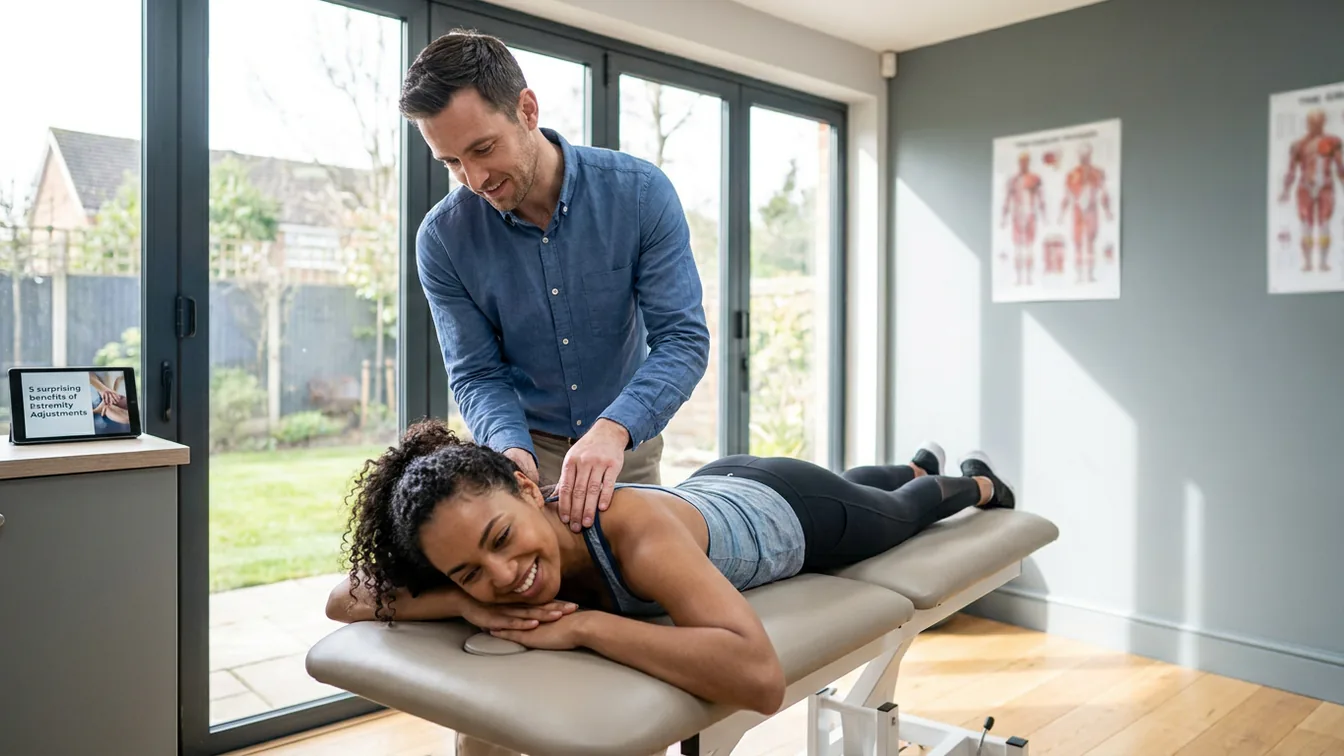
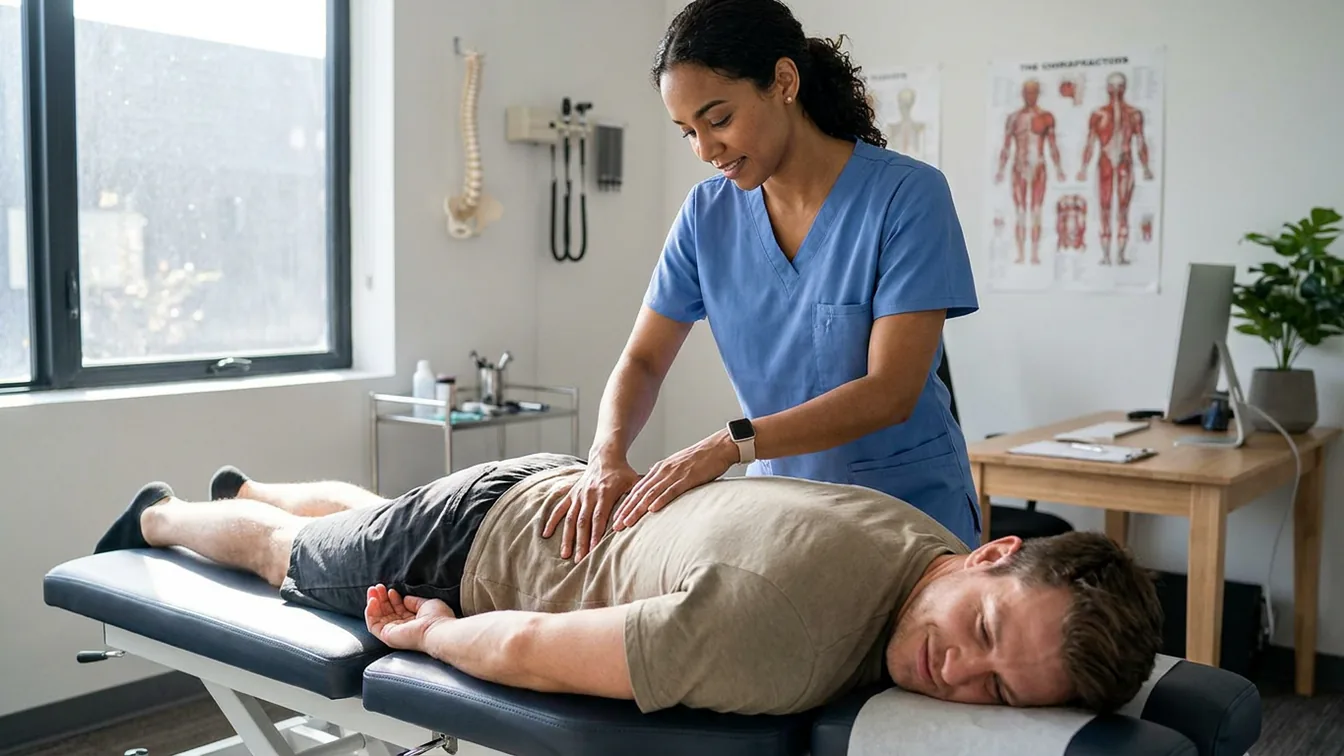
Chiropractic care offers valuable tools for posture correction and knee pain relief. Spinal adjustments help restore proper joint mobility and nervous system function, while soft tissue techniques address muscle imbalances. Many residents of Canton, Ohio, have found significant relief through chiropractic care that addresses both postural dysfunction and its effects on knee health.
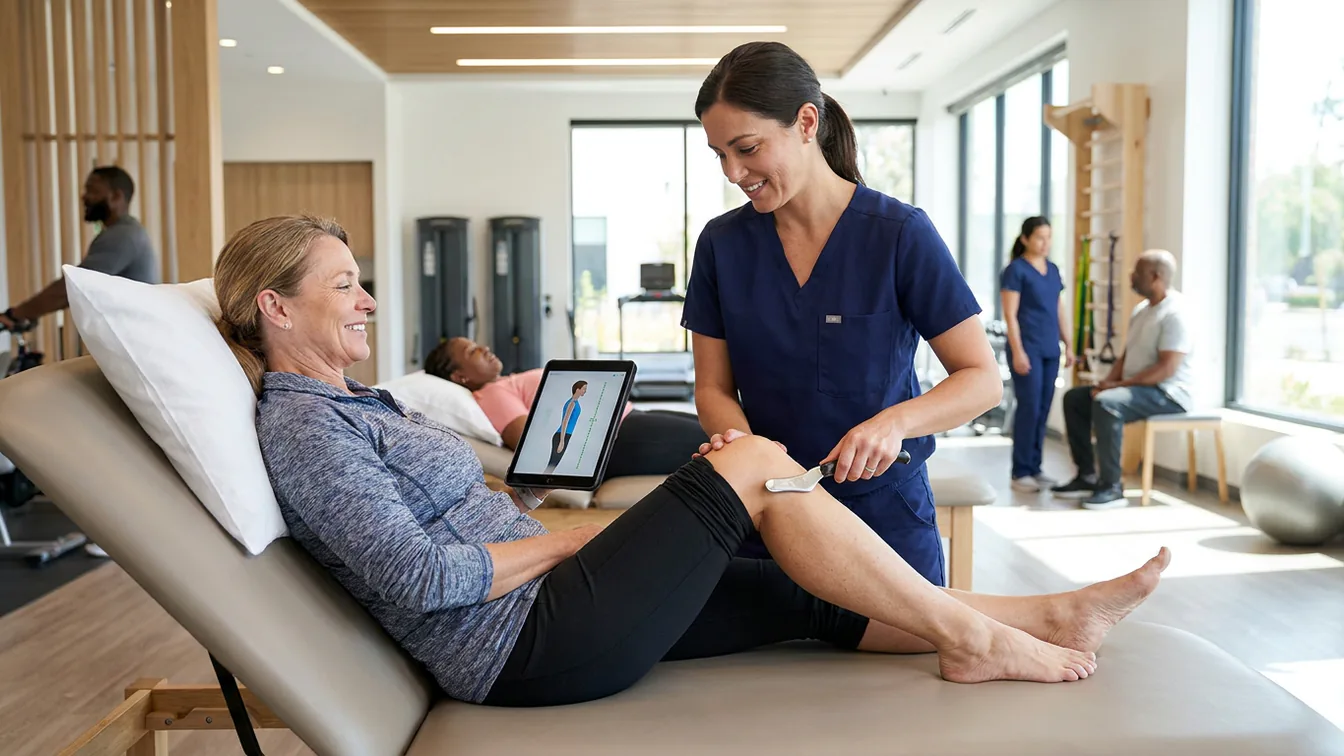
Physical therapy provides structured rehabilitation programs that combine manual therapy with specific exercises. Physical therapists can design personalized programs that address your unique postural imbalances while gradually building strength and mobility. This professional guidance ensures that exercises are performed correctly and progressed appropriately.
Massage therapy complements other treatment approaches by releasing muscle tension and improving tissue quality. Regular massage can help maintain the gains achieved through other posture correction efforts and prevent the return of problematic patterns.
Ergonomic assessments of your work and home environments identify external factors that contribute to poor posture. Simple modifications to your workspace, sleeping setup, or daily habits can significantly support your posture correction efforts.
Creating Sustainable Lifestyle Changes
Lasting relief from knee pain through posture correction requires sustainable lifestyle changes rather than quick fixes. The most successful approaches integrate posture awareness and corrective strategies into daily routines, making them manageable and consistent.
Building postural awareness is the first step toward lasting change. This involves developing the ability to recognize when your posture has shifted into problematic patterns and consciously correcting it. Regular posture checks throughout the day help establish new, healthier patterns.
Gradual exercise progression prevents injury and ensures long-term adherence to corrective programs. Starting with basic exercises and slowly increasing intensity and complexity allows your body to adapt safely while building confidence in your abilities.
Workplace modifications often provide the biggest impact for people who spend significant time at desks. Adjustable monitors, supportive chairs, and regular movement breaks can dramatically improve postural health. Many employers in Ohio are recognizing the value of ergonomic workplace design in reducing employee injuries and improving productivity.
Sleep position and mattress selection significantly influence postural health. Proper pillow height and mattress support help maintain spinal alignment during rest, allowing your body to recover from daily postural stresses.
Regular movement throughout the day prevents the stiffness and muscle imbalances that develop from prolonged static positions. Setting reminders to move, stretch, and change positions helps counteract the effects of modern sedentary lifestyles.
Stress management also plays a role in posture correction, as chronic stress often leads to muscle tension and protective posturing. Incorporating relaxation techniques, regular exercise, and adequate sleep supports overall postural health.
If you're experiencing persistent knee pain that hasn't responded to traditional treatments, posture correction might provide the lasting relief you've been seeking. The experienced team at Premier Joint & Spine understands the complex relationships between posture and pain. Located at 4001 Whipple Ave NW Suite LL02, Canton, OH 44718, they offer comprehensive assessments and personalized treatment plans that address the root causes of your discomfort. Don't let knee pain limit your quality of life when effective, natural solutions are available right here in Canton.