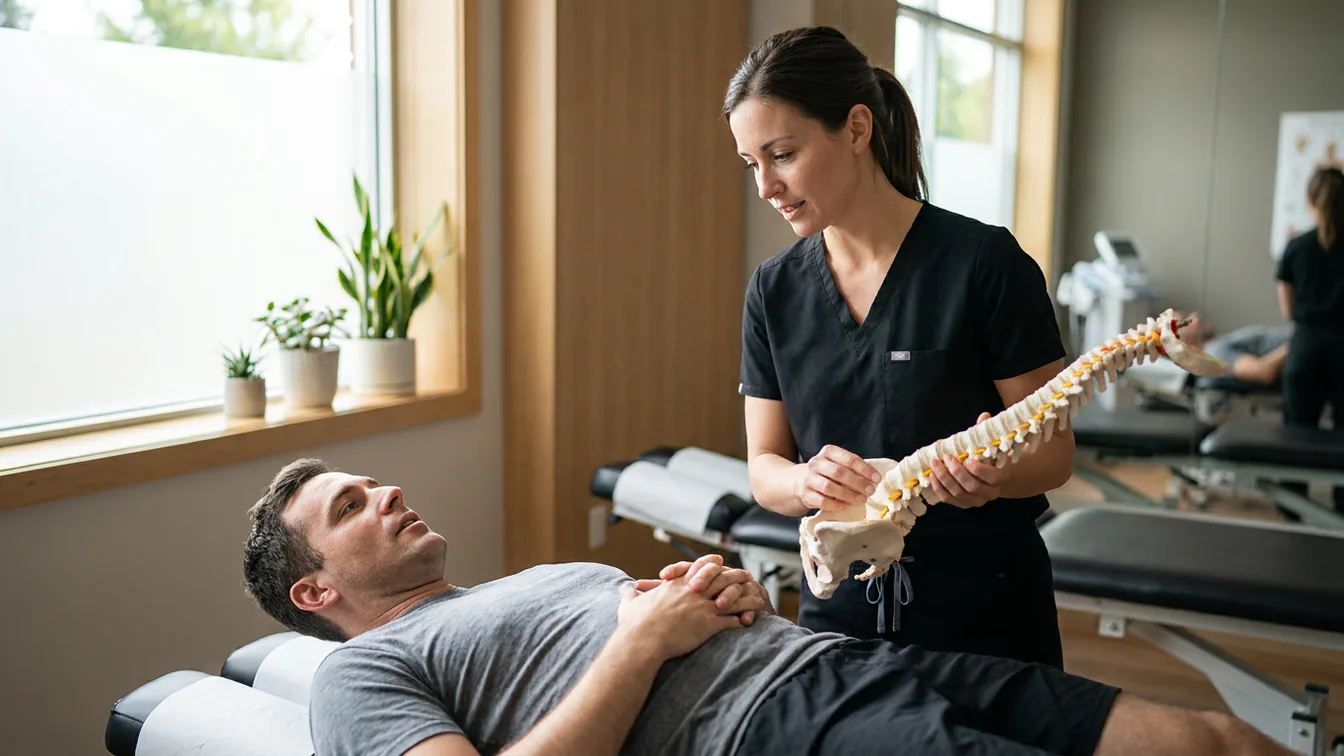
Back pain affects millions of Americans, and understanding herniated disc conditions is crucial for anyone experiencing persistent discomfort or seeking natural healthcare solutions. A herniated disc occurs when the soft, gel-like center of a spinal disc pushes through a crack in the tougher exterior casing, potentially pressing on nearby nerves and causing significant pain.
Many Canton residents struggle with this condition, often wondering about their treatment options and whether surgery is their only solution. The good news is that understanding the underlying causes, recognizing symptoms early, and exploring comprehensive treatment approaches can lead to effective pain relief and improved quality of life.
What Causes Herniated Discs?
Understanding herniated disc development begins with recognizing the various factors that contribute to this condition. The causes often involve a combination of age-related changes, lifestyle factors, and sometimes sudden injury.
Age-Related Disc Degeneration As we age, our spinal discs naturally lose water content and become less flexible. This process, called disc degeneration, makes the discs more susceptible to tearing or rupturing with even minor strains or twisting movements. Most people don't realize that disc degeneration is a normal part of aging, but it doesn't automatically mean you'll experience pain.
Physical Stress and Poor Body Mechanics Repetitive activities that place stress on the spine significantly increase herniated disc risk. Poor lifting techniques, especially when combined with twisting motions, create enormous pressure on spinal discs. Many Canton residents who work in physically demanding jobs or spend long hours at desks experience these issues due to improper body mechanics.
Lifestyle Factors Several lifestyle elements contribute to disc problems:
- Excess body weight increases stress on lower back discs
- Smoking reduces oxygen supply to discs, accelerating degeneration
- Sedentary lifestyle weakens supporting muscles
- Poor posture creates uneven disc pressure
- Inadequate core strength fails to support the spine properly
Sudden Trauma While less common, acute injuries from falls, auto accidents, or sports activities can cause immediate disc herniation. However, many people who experience "sudden" herniation actually had underlying disc weakness that finally gave way during a seemingly minor activity.
Genetic Predisposition Research suggests some individuals inherit a tendency toward disc problems. If family members have experienced herniated discs, you may have increased susceptibility, making prevention strategies even more important.
Recognizing Herniated Disc Symptoms
Symptoms vary significantly depending on the disc's location and whether it's pressing on nerves. Understanding these symptoms helps you seek appropriate care promptly and avoid complications.
Lower Back Herniated Disc Symptoms Lumbar spine herniations are most common and typically cause:
- Sharp, burning pain in the lower back
- Pain radiating down one leg (sciatica)
- Numbness or tingling in leg or foot
- Muscle weakness in affected leg
- Pain that worsens with sitting, bending, or coughing
- Relief when walking or changing positions
Neck Herniated Disc Symptoms Cervical herniations affect the upper spine and may cause:
- Neck pain and stiffness
- Shoulder blade pain
- Arm pain, numbness, or tingling
- Weakness in hand or arm muscles
- Headaches
- Pain that increases with neck movement
Red Flag Symptoms Seek immediate medical attention if you experience:
- Loss of bowel or bladder control
- Severe weakness in both legs
- Numbness in the groin or rectal area
- Severe, progressive neurological symptoms
Many Ohio residents initially dismiss mild symptoms, hoping they'll resolve independently. While some disc herniations do heal naturally, early intervention often prevents symptom progression and promotes faster recovery.
Comprehensive Treatment Solutions
Effective herniated disc treatment typically involves a multi-faceted approach focusing on pain relief, healing promotion, and prevention of future episodes. The vast majority of people with herniated discs recover without surgery when they receive appropriate conservative care.
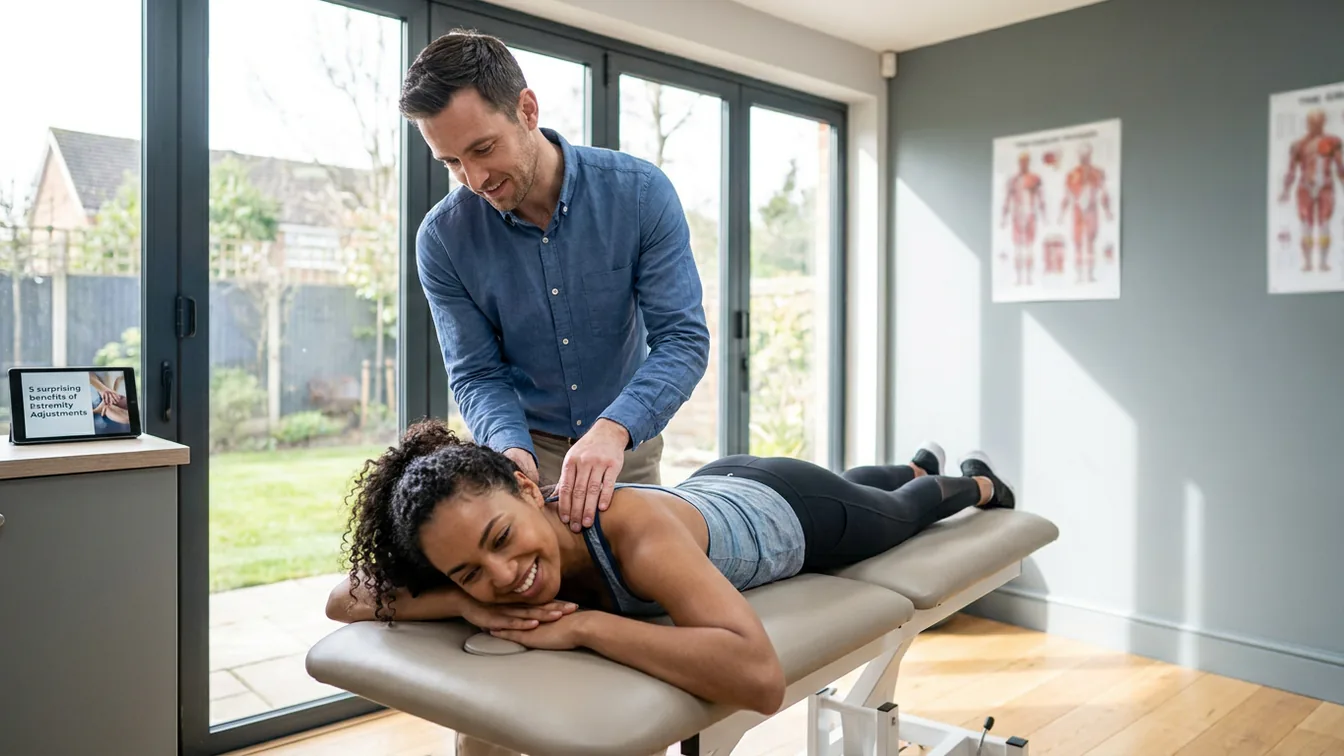
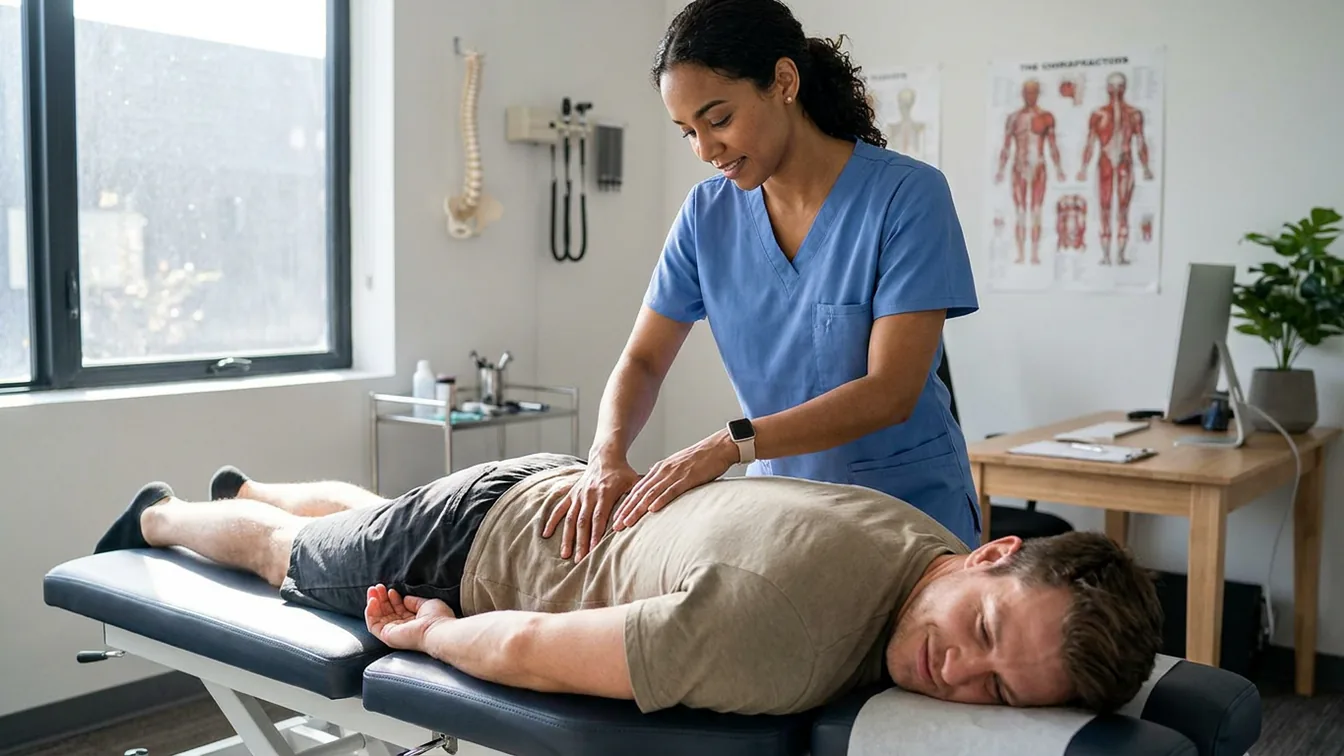
Chiropractic Care Chiropractic treatment offers excellent results for many herniated disc patients. Skilled chiropractors use various techniques to:
- Reduce nerve pressure through gentle spinal adjustments
- Improve spinal alignment and mobility
- Decrease inflammation naturally
- Restore proper joint function
- Address compensatory movement patterns
Spinal decompression therapy, available at many Canton clinics, uses gentle traction to create negative pressure within discs, potentially allowing herniated material to retract and promoting nutrient flow for healing.
Physical Therapy and Exercise Targeted exercises play a crucial role in recovery:
- Core strengthening exercises support spinal stability
- Flexibility training reduces muscle tension
- Postural correction exercises prevent re-injury
- Low-impact cardiovascular activities promote healing
- Specific stretches address tight muscles contributing to pain
Natural Pain Management Several natural approaches effectively manage herniated disc pain:
- Ice therapy reduces acute inflammation
- Heat therapy relaxes muscle tension
- Anti-inflammatory foods support healing
- Proper ergonomics reduce daily stress on the spine
- Stress management techniques address pain amplification
Lifestyle Modifications Lasting recovery requires addressing underlying contributing factors:
- Weight management reduces spinal stress
- Smoking cessation improves disc nutrition
- Proper lifting techniques prevent re-injury
- Regular movement breaks counter prolonged sitting
- Quality sleep supports tissue healing
Advanced Conservative Therapies When basic treatments aren't sufficient, additional options include:
- Massage therapy for muscle tension relief
- Acupuncture for pain management
- Nutritional counseling for inflammation reduction
- Ergonomic assessments for workplace modifications
- Mind-body approaches for chronic pain management
Prevention and Long-Term Management
Preventing future herniated disc episodes requires ongoing attention to spinal health. Understanding that disc health depends on movement, proper mechanics, and overall wellness helps Canton residents maintain active, pain-free lives.
Daily Prevention Strategies
- Practice proper lifting techniques: bend knees, keep back straight, avoid twisting
- Take frequent breaks from prolonged sitting
- Sleep on a supportive mattress with proper pillow support
- Maintain healthy body weight
- Stay hydrated to support disc nutrition
- Engage in regular, spine-friendly exercise
Building Spinal Resilience Strong, flexible spines resist injury better. Focus on:
- Regular core strengthening exercises
- Yoga or tai chi for flexibility and body awareness
- Swimming for low-impact cardiovascular fitness
- Walking for general spinal health
- Professional posture training when needed
When to Seek Professional Help Don't wait for severe symptoms to develop. Early intervention often prevents minor disc problems from becoming major issues. Consider professional evaluation if you experience:
- Persistent back or neck pain lasting more than a few days
- Recurring episodes of spine-related pain
- Pain that interferes with daily activities
- Numbness, tingling, or weakness in arms or legs
- Pain that doesn't improve with rest and basic self-care
Many people in Canton have found significant relief through comprehensive, conservative treatment approaches that address both symptoms and underlying causes. The key is working with healthcare providers who understand the complexity of disc problems and can develop personalized treatment plans.
If you're experiencing symptoms that might indicate a herniated disc, don't let pain control your life. The experienced team at Premier Joint & Spine, located at 4001 Whipple Ave NW Suite LL02, Canton, OH 44718, specializes in natural, effective treatments for disc-related conditions. Taking the first step toward professional evaluation can help you understand your specific situation and explore the most appropriate treatment options for your needs. Remember, most people with herniated discs recover successfully with proper care and guidance.