Back pain affects millions of Americans daily, often becoming a persistent companion that limits mobility, reduces quality of life, and interferes with everyday activities. While traditional treatments may offer temporary relief, many Canton residents are discovering that sports injury rehabilitation techniques provide a more comprehensive and lasting solution to chronic back pain.
The connection between sports medicine and back pain treatment isn't immediately obvious to most people. After all, you might think, "I'm not an athlete, so how can sports injury rehab help me?" The truth is that the advanced rehabilitation methods developed for athletes offer some of the most effective approaches to treating back pain, regardless of whether your injury occurred on the playing field or simply from daily life activities.
Understanding the Sports Injury Rehab Approach to Back Pain
Sports injury rehabilitation takes a fundamentally different approach to back pain than conventional treatments. Rather than simply masking symptoms with medication or recommending extended bed rest, sports rehab focuses on identifying and addressing the root causes of pain while rebuilding strength, flexibility, and proper movement patterns.
This comprehensive approach recognizes that back pain rarely stems from a single isolated problem. Instead, it often results from a complex interplay of muscle imbalances, poor posture, inadequate core strength, limited flexibility, and compensatory movement patterns that develop over time. Sports injury rehab provides a systematic framework for addressing each of these contributing factors.
The philosophy behind sports rehabilitation is particularly relevant for back pain sufferers because it emphasizes functional recovery. Unlike treatments that aim simply to reduce pain, sports rehab focuses on restoring your ability to perform daily activities without limitation or discomfort. This means not just getting you out of pain, but ensuring you can bend, lift, twist, and move confidently without fear of re-injury.
Athletes require their bodies to perform at peak levels, which means their rehabilitation protocols must be exceptionally effective. When these same evidence-based techniques are applied to non-athletic back pain cases, they often produce remarkable results that provide lasting relief where other treatments have failed.
The Science Behind Long-Term Pain Relief Through Rehabilitation
The lasting relief that sports injury rehab provides comes from its scientific foundation in understanding how the body heals and adapts. Traditional pain management often focuses on reducing inflammation and managing symptoms, but rehabilitation addresses the underlying biomechanical issues that perpetuate back pain.
One key principle is progressive loading, which involves gradually increasing the demands placed on healing tissues. This controlled stress stimulates the body's natural healing processes, promoting the development of stronger, more resilient tissue. For back pain sufferers in Canton, this means systematically rebuilding the strength and endurance of the muscles that support the spine.
Neuroplasticity plays a crucial role in the rehabilitation process. Chronic back pain often involves changes in how the nervous system processes pain signals, sometimes causing the brain to perceive pain even after tissues have healed. Sports rehab techniques help retrain the nervous system, reducing hypersensitivity and restoring normal pain processing patterns.
Movement pattern retraining is another fundamental component that provides lasting benefits. Many people with chronic back pain develop compensatory movement strategies that initially help them avoid pain but ultimately perpetuate the problem. Rehabilitation focuses on identifying these dysfunctional patterns and teaching proper movement mechanics that reduce stress on the spine.
The emphasis on functional strength training in sports rehab also contributes to long-term success. Rather than simply strengthening individual muscles in isolation, this approach focuses on training muscles to work together as integrated systems, which is how they function during real-world activities.
Specific Rehabilitation Techniques That Transform Back Pain Treatment
Several specific techniques commonly used in sports injury rehab have proven particularly effective for back pain relief. Understanding these methods can help you appreciate why this approach often succeeds where others fall short.
Core stabilization training forms the foundation of most back pain rehabilitation programs. However, this goes far beyond traditional sit-ups or crunches. Modern core training focuses on teaching the deep stabilizing muscles to work properly, creating a natural "brace" that protects the spine during movement. This training often begins with simple exercises like diaphragmatic breathing and progresses to complex, multi-planar movements that challenge stability in functional ways.
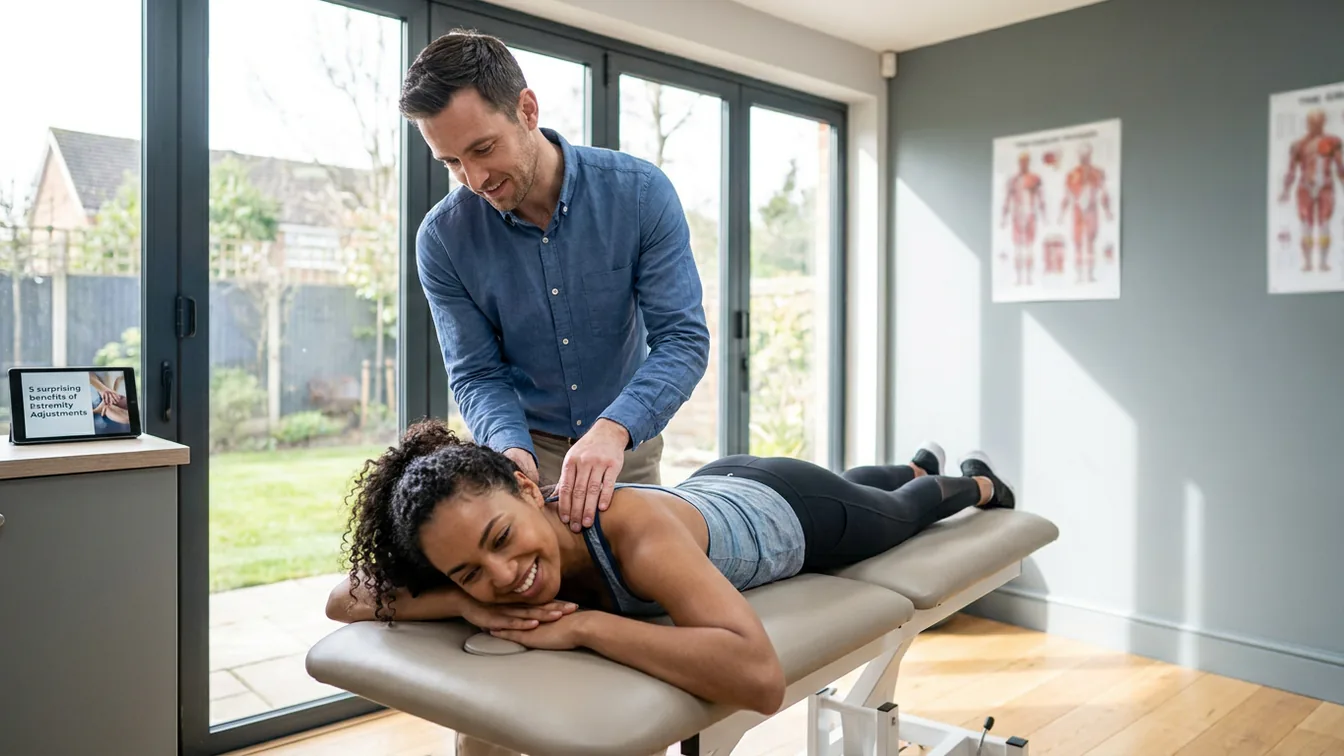
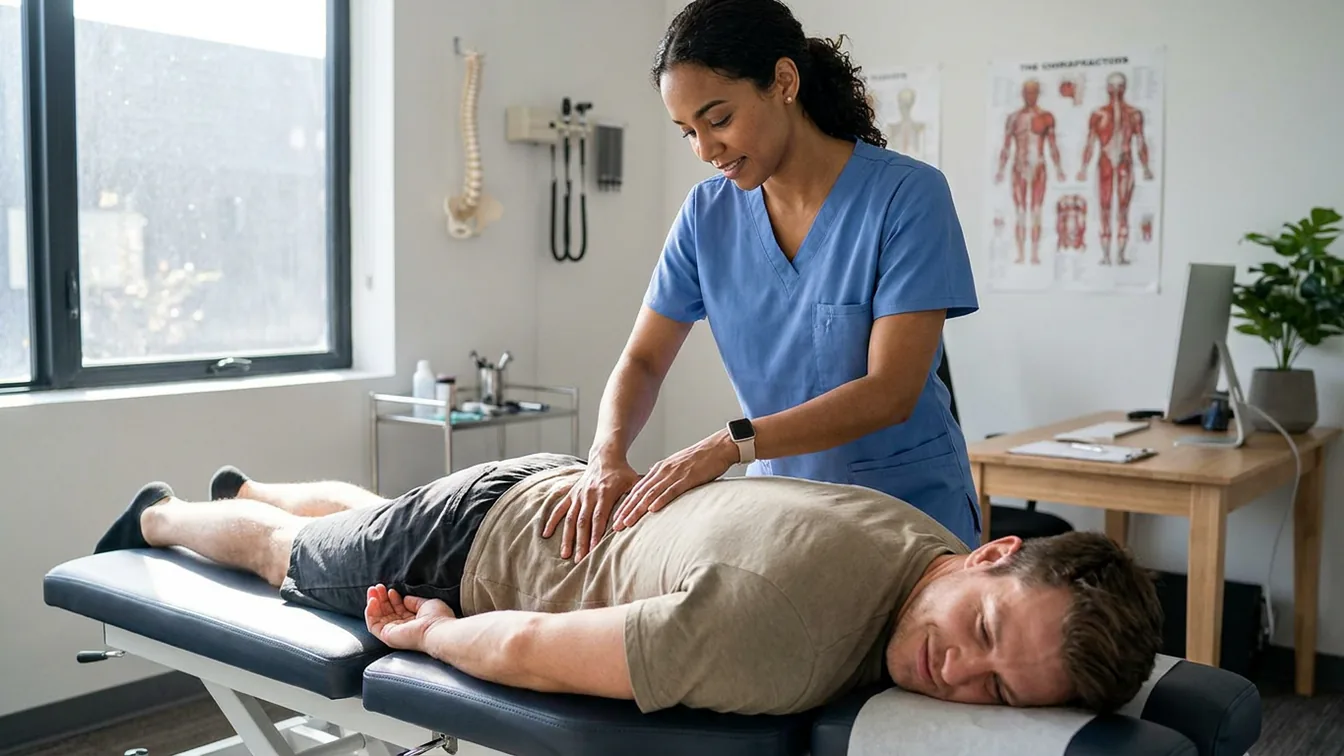
Manual therapy techniques borrowed from sports medicine, including soft tissue mobilization and joint manipulation, help restore proper movement to restricted areas while reducing muscle tension. These hands-on treatments are often combined with specific exercises to maximize their effectiveness and ensure lasting results.
Movement screening and corrective exercise prescription represent another powerful aspect of sports rehab. By identifying specific movement limitations and imbalances, practitioners can design targeted exercise programs that address individual needs. This personalized approach ensures that treatment focuses on the specific factors contributing to each person's back pain.
Functional movement training helps bridge the gap between clinical improvement and real-world activities. This might involve practicing proper lifting mechanics, training rotational movements, or developing the endurance needed for prolonged sitting or standing. The goal is to prepare your body for the demands of daily life, not just to feel better in the clinic.
Pain education has emerged as a crucial component of effective back pain treatment. Understanding how pain works, what factors influence it, and how to manage flare-ups empowers patients to take an active role in their recovery and maintain their progress long-term.
Creating Lasting Results: The Comprehensive Rehabilitation Process
The reason sports injury rehab provides lasting relief lies in its comprehensive, phased approach to recovery. Rather than offering quick fixes, this method builds sustainable improvements through systematic progression.
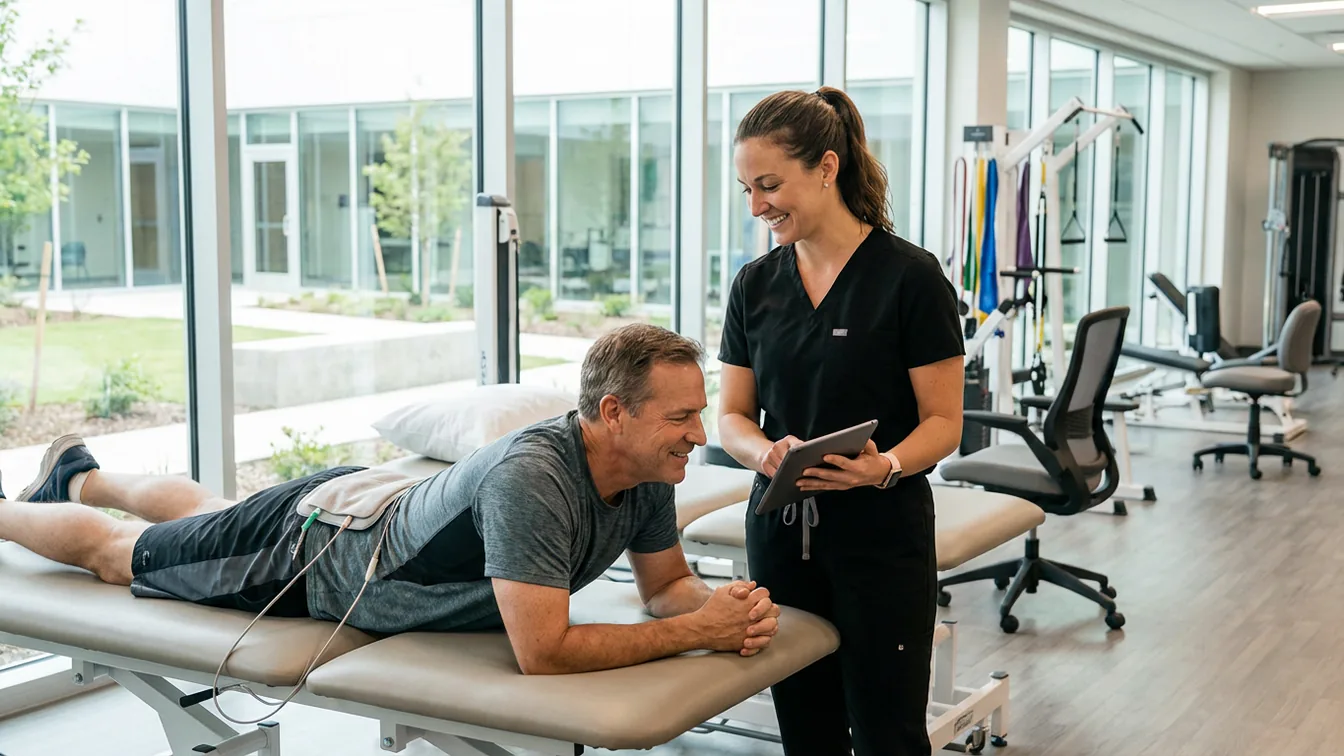
The initial phase typically focuses on pain reduction and restoring basic movement. This might involve manual therapy, gentle exercises, and education about pain management strategies. The goal isn't just to reduce pain, but to begin addressing the underlying issues while providing relief.
As pain decreases and movement improves, the focus shifts to correcting imbalances and rebuilding strength. This phase involves more challenging exercises designed to address specific weaknesses or movement limitations identified during the assessment process. Canton residents often find this phase particularly rewarding as they begin to feel stronger and more capable than they have in months or years.
The final phase emphasizes functional training and injury prevention. This involves practicing real-world movements, building endurance, and learning strategies to maintain progress independently. This phase is crucial for ensuring that improvements persist long after formal treatment ends.
What sets sports rehab apart is its emphasis on education and self-management. Rather than creating dependence on passive treatments, this approach teaches patients to understand their condition and take an active role in maintaining their health. This empowerment is key to achieving lasting results.
The progressive nature of sports rehabilitation also means that setbacks are anticipated and planned for. Rather than viewing minor flare-ups as treatment failures, the rehabilitation model teaches patients how to manage these episodes and continue progressing toward their goals.
Why Canton Residents Are Choosing Sports-Based Rehabilitation
Here in Canton, more people are discovering the benefits of sports injury rehabilitation for back pain relief. This shift reflects a growing understanding that effective treatment must address the whole person, not just the painful area.
Many Canton residents have found that previous treatments provided only temporary relief, leaving them frustrated and concerned about long-term dependence on medications or repeated procedures. Sports rehab offers a different path – one that emphasizes building resilience and teaching skills for long-term health management.
The active nature of sports rehabilitation appeals to people who want to take control of their health rather than remaining passive recipients of treatment. This approach aligns with Ohio's strong work ethic and practical problem-solving mindset, making it a natural fit for our community.
Local healthcare providers have also recognized the effectiveness of these methods, with many incorporating sports medicine principles into their treatment approaches. This integration ensures that Canton residents have access to cutting-edge rehabilitation techniques without traveling long distances.
If you're struggling with persistent back pain and haven't found lasting relief through traditional treatments, sports injury rehabilitation may offer the comprehensive solution you've been seeking. At Premier Joint & Spine, located at 4001 Whipple Ave NW Suite LL02, Canton, OH 44718, our team specializes in applying these evidence-based rehabilitation principles to help you achieve lasting pain relief and return to the activities you love. Don't let back pain continue to limit your life – take the first step toward lasting relief by exploring how sports injury rehabilitation can transform your approach to back pain management.