
Poor posture has become increasingly common in our modern world, affecting millions of adults who spend hours hunched over computers, looking down at phones, or maintaining sedentary lifestyles. If you've finally decided to take action and schedule a posture correction appointment, you're taking an important step toward better health and wellness. However, proper preparation can significantly enhance the effectiveness of your treatment and help you achieve the best possible outcomes.
Understanding what to expect and how to prepare for your posture correction appointment can reduce anxiety, maximize the benefits of your visit, and set you on the path to improved spinal alignment and reduced pain. Many Canton residents are discovering that investing time in preparation leads to more successful treatment outcomes and faster progress toward their wellness goals.
Understanding What Posture Correction Involves
Before diving into preparation strategies, it's essential to understand what posture correction treatment typically encompasses. Posture correction is a comprehensive approach that addresses muscular imbalances, spinal misalignments, and movement patterns that contribute to poor posture. During your appointment, a healthcare professional will assess your current posture, identify problem areas, and develop a personalized treatment plan.
The evaluation process often includes analyzing your standing and sitting posture, examining spinal curvature, testing muscle strength and flexibility, and assessing your range of motion. Your practitioner may also discuss your daily activities, work environment, exercise habits, and any pain or discomfort you're experiencing. This thorough assessment helps create a targeted approach to address your specific postural issues.
Many people in Canton, OH, are surprised to learn that posture correction isn't just about standing straighter – it involves retraining muscles, improving joint mobility, and developing better movement awareness. The treatment may include manual therapy techniques, specific exercises, ergonomic recommendations, and lifestyle modifications designed to support long-term postural improvements.
Understanding this comprehensive approach helps you appreciate why proper preparation is so important. The more information and cooperation you can provide during your appointment, the more effectively your healthcare provider can address your unique needs and develop an appropriate treatment strategy.
Essential Steps to Prepare for Your Appointment
Proper preparation begins several days before your scheduled visit. Start by gathering relevant medical history, including any previous injuries, surgeries, or ongoing health conditions that might affect your posture or treatment. If you've had recent X-rays, MRIs, or other imaging studies of your spine or related areas, bring copies or ensure they're available to your healthcare provider.
Document your symptoms and concerns in detail. Keep a brief diary noting when you experience pain or discomfort, what activities trigger symptoms, and what provides relief. This information helps your practitioner understand patterns and develop more targeted treatment approaches. Many Canton residents find it helpful to note how their posture affects their daily activities, work performance, and overall quality of life.
Consider your wardrobe choices carefully for the appointment day. Wear comfortable, loose-fitting clothing that allows easy movement and access to your spine and shoulders. Avoid restrictive garments, heavy jewelry, or complicated outfits that might interfere with the examination process. Many practitioners recommend wearing or bringing athletic wear, as you may need to perform movement assessments or exercises during the visit.
Prepare a list of questions and concerns you want to discuss. This might include questions about treatment duration, expected outcomes, home exercises, ergonomic improvements, or lifestyle modifications. Having these written down ensures you don't forget important topics during the appointment and helps you make the most of your time with the healthcare provider.
Arrange your schedule to arrive early and avoid rushing to the appointment. Stress and tension can affect your posture and muscle tension, potentially impacting the accuracy of your assessment. Plan to arrive 10-15 minutes early to complete any necessary paperwork and mentally prepare for the evaluation.
What to Bring and Expect During Your Visit
Bring a comprehensive list of current medications, supplements, and any treatments you're receiving for posture-related or other health issues. Some medications can affect muscle function or healing processes, and this information helps your practitioner develop appropriate treatment recommendations. Also, bring your insurance cards and any required referrals or authorizations.
If you use ergonomic accessories at work or home, such as special chairs, keyboard supports, or standing desks, take photos or bring information about these items. Your healthcare provider may want to assess whether these tools are properly configured or recommend adjustments to better support good posture throughout your daily activities.
Consider bringing a trusted family member or friend, especially if you're nervous about the appointment or have concerns about understanding treatment recommendations. Having support can help you feel more comfortable and provide an additional perspective on your postural habits and symptoms.
During the appointment, expect to spend time discussing your health history, lifestyle factors, and specific concerns. Be prepared to demonstrate typical postures you maintain during work, leisure activities, or sleep. Your practitioner may ask you to perform simple movements or exercises to assess your current function and identify areas needing attention.
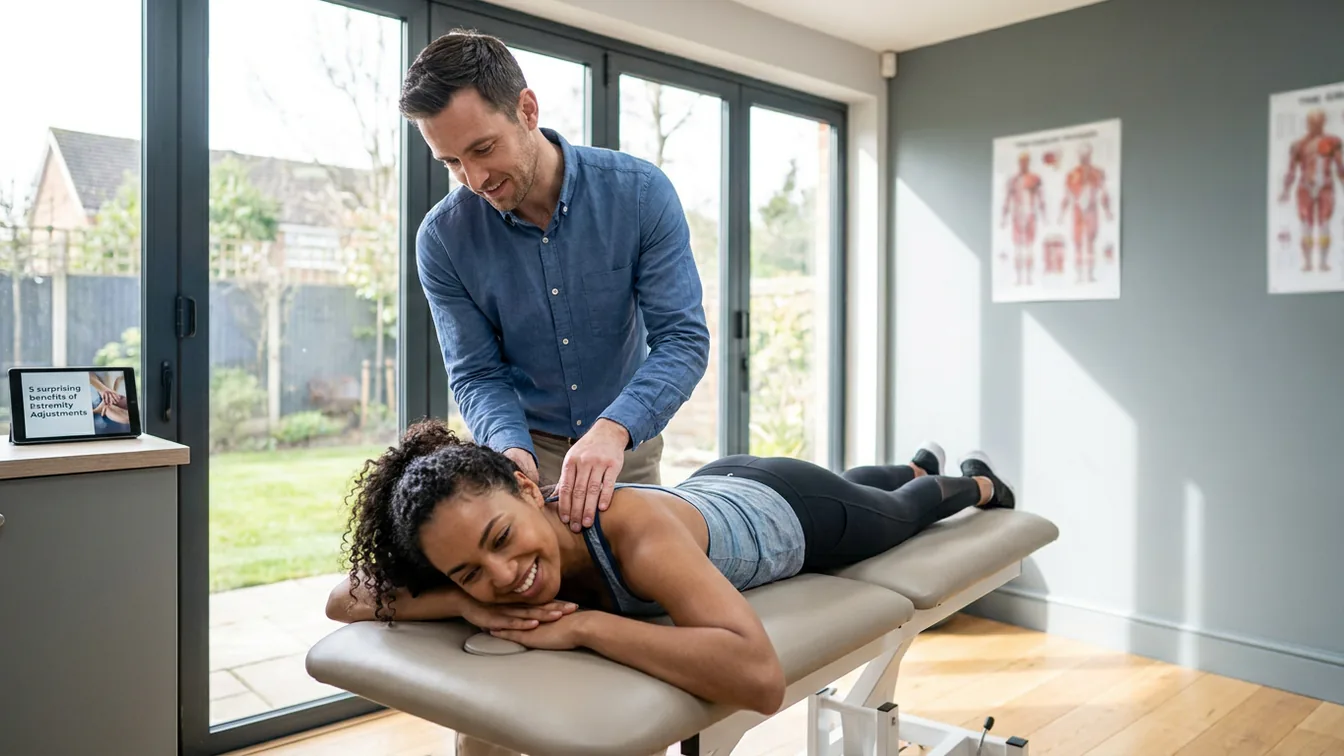
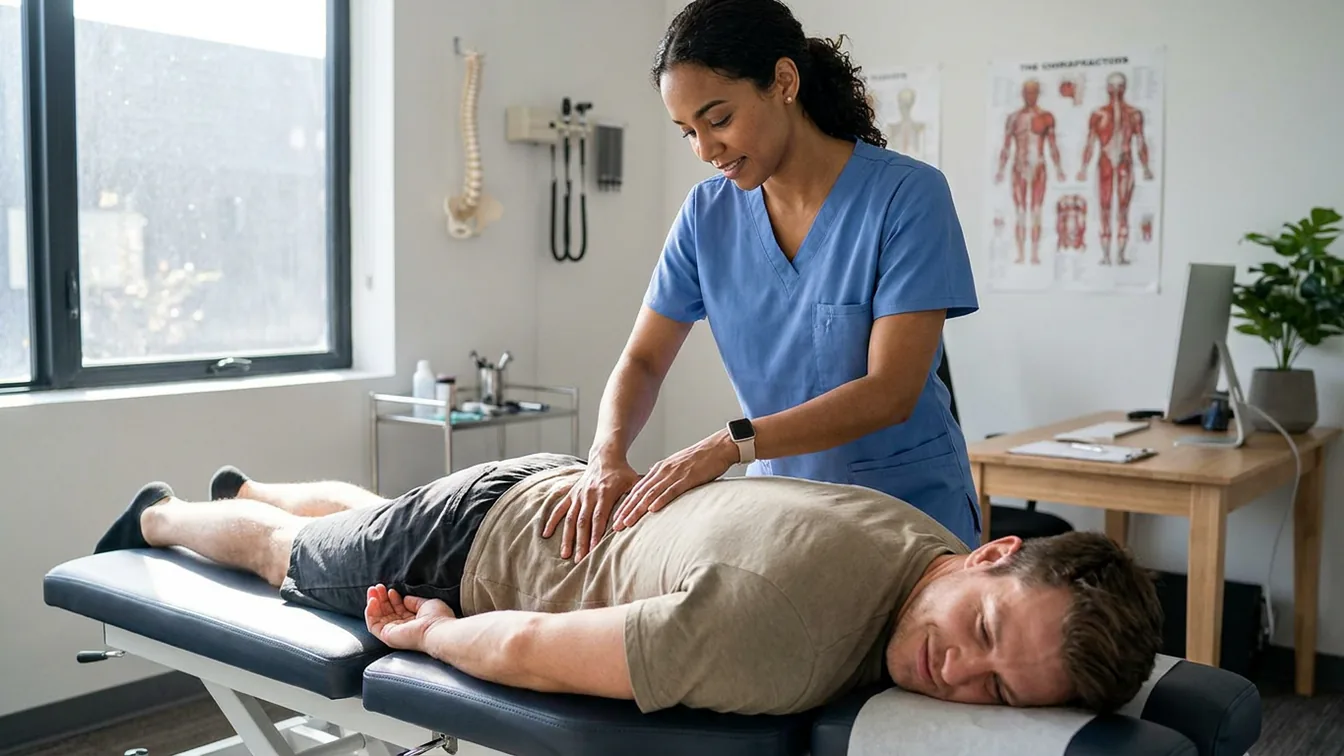
The examination typically includes hands-on assessment of your spine, shoulders, and related muscle groups. Your healthcare provider will likely analyze your posture from multiple angles and may use specialized tools or techniques to evaluate spinal alignment and muscle function. This process is generally comfortable, but communicate any discomfort or concerns immediately.
Many Ohio residents are pleased to discover that posture correction appointments are collaborative experiences. Your practitioner will likely explain findings as the examination progresses and may demonstrate exercises or techniques you'll use as part of your treatment plan. Don't hesitate to ask questions or request clarification about any recommendations.
Maximizing Your Treatment Success
Your commitment to the treatment process begins before you even arrive for your appointment. Start implementing basic posture awareness practices in your daily routine. Set regular reminders to check your posture throughout the day, whether you're sitting at a desk, walking, or performing household activities. This increased awareness helps you provide more accurate information about your habitual patterns and demonstrates your commitment to improvement.
Consider making preliminary ergonomic assessments of your work and home environments. Take note of your desk setup, chair height, computer screen position, and other factors that might contribute to poor posture. While your healthcare provider will offer specific recommendations, having this baseline awareness shows your dedication to addressing contributing factors.
Prepare mentally for the commitment that successful posture correction requires. Unlike some healthcare interventions that provide immediate results, improving posture typically requires consistent effort over several weeks or months. Understanding this timeline helps set realistic expectations and reinforces the importance of following through with recommended exercises and lifestyle modifications.
Be honest about your lifestyle, activity level, and ability to implement recommended changes. If you have a demanding work schedule, family obligations, or other factors that might affect your ability to perform certain exercises or make recommended modifications, discuss these openly with your practitioner. They can often suggest alternative approaches or modifications that better fit your circumstances.
Many successful patients in Canton find it helpful to identify specific goals they want to achieve through posture correction. Whether it's reducing neck pain from computer work, improving confidence through better alignment, or enhancing athletic performance, having clear objectives helps maintain motivation throughout the treatment process.
Remember that posture correction is an investment in your long-term health and well-being. Poor posture can contribute to chronic pain, headaches, reduced energy levels, and even breathing difficulties. By taking the time to properly prepare for your appointment and commit to the treatment process, you're taking an important step toward improved quality of life and better overall health.
If you're ready to address your posture concerns and take control of your spinal health, consider scheduling a consultation with experienced professionals who understand the complexities of postural dysfunction. Premier Joint & Spine, located at 4001 Whipple Ave NW Suite LL02, Canton, OH 44718, offers comprehensive posture correction services designed to help you achieve lasting improvements in alignment, comfort, and overall wellness. Taking the first step toward better posture today can lead to significant improvements in how you feel and function in all aspects of your life.