When parents in Canton notice their child experiencing unexplained tingling, numbness, or nerve-related discomfort, questions about treatment options naturally arise. Pediatric neuropathy, while less common than in adults, can significantly impact a child's quality of life, affecting everything from sleep patterns to daily activities. As families seek gentle, non-invasive treatment approaches, many are turning to pediatric chiropractic care as a potential solution.
Neuropathy in children presents unique challenges that require specialized understanding and careful consideration. Unlike adult neuropathy, which often develops gradually due to diabetes, autoimmune conditions, or lifestyle factors, pediatric neuropathy can stem from various causes including genetic disorders, infections, injuries, or developmental issues. The developing nervous system in children responds differently to treatment, making it crucial to explore safe, effective options that support natural healing processes.
The intersection of pediatric chiropractic care and neuropathy treatment represents an evolving area of healthcare that emphasizes the body's innate ability to heal. While traditional medical approaches often focus on symptom management through medications, chiropractic care takes a holistic approach by addressing underlying structural and functional issues that may contribute to nerve dysfunction. For families in Canton and throughout Ohio, understanding this treatment option can open doors to improved outcomes and enhanced quality of life for their children.
Understanding Pediatric Neuropathy and Its Impact
Pediatric neuropathy encompasses a range of conditions affecting the peripheral nervous system in children. These conditions can manifest as sensory symptoms like tingling, burning, or numbness, motor symptoms including weakness or coordination difficulties, or autonomic symptoms affecting organ function. The complexity of diagnosing and treating neuropathy in children requires healthcare providers who understand the unique aspects of the developing nervous system.
Children experiencing neuropathy may struggle to articulate their symptoms effectively, often describing sensations as "weird feelings" or "pins and needles." Parents might notice changes in their child's gait, reluctance to participate in physical activities, or complaints about discomfort in hands or feet. Sleep disturbances, irritability, and academic performance changes can also indicate underlying nerve dysfunction.
The causes of pediatric neuropathy vary significantly from adult presentations. Hereditary conditions like Charcot-Marie-Tooth disease, inflammatory disorders such as Guillain-Barré syndrome, and acquired conditions resulting from infections, toxin exposure, or trauma all require different treatment approaches. Additionally, some children develop neuropathy as a side effect of medical treatments or as a complication of other health conditions.
Early intervention plays a crucial role in managing pediatric neuropathy effectively. The developing nervous system possesses remarkable plasticity, meaning it can adapt and reorganize more readily than adult nervous systems. This characteristic makes children potentially more responsive to conservative treatments like chiropractic care, which aims to optimize nervous system function through gentle, targeted interventions.
How Pediatric Chiropractic Care Addresses Nerve Function
Pediatric chiropractic care approaches neuropathy from a unique perspective, focusing on the relationship between spinal alignment, nervous system function, and overall health. The nervous system controls and coordinates all body functions, making spinal health crucial for optimal nerve communication. When spinal segments become misaligned or restricted, they can interfere with nerve pathways, potentially contributing to neuropathic symptoms.
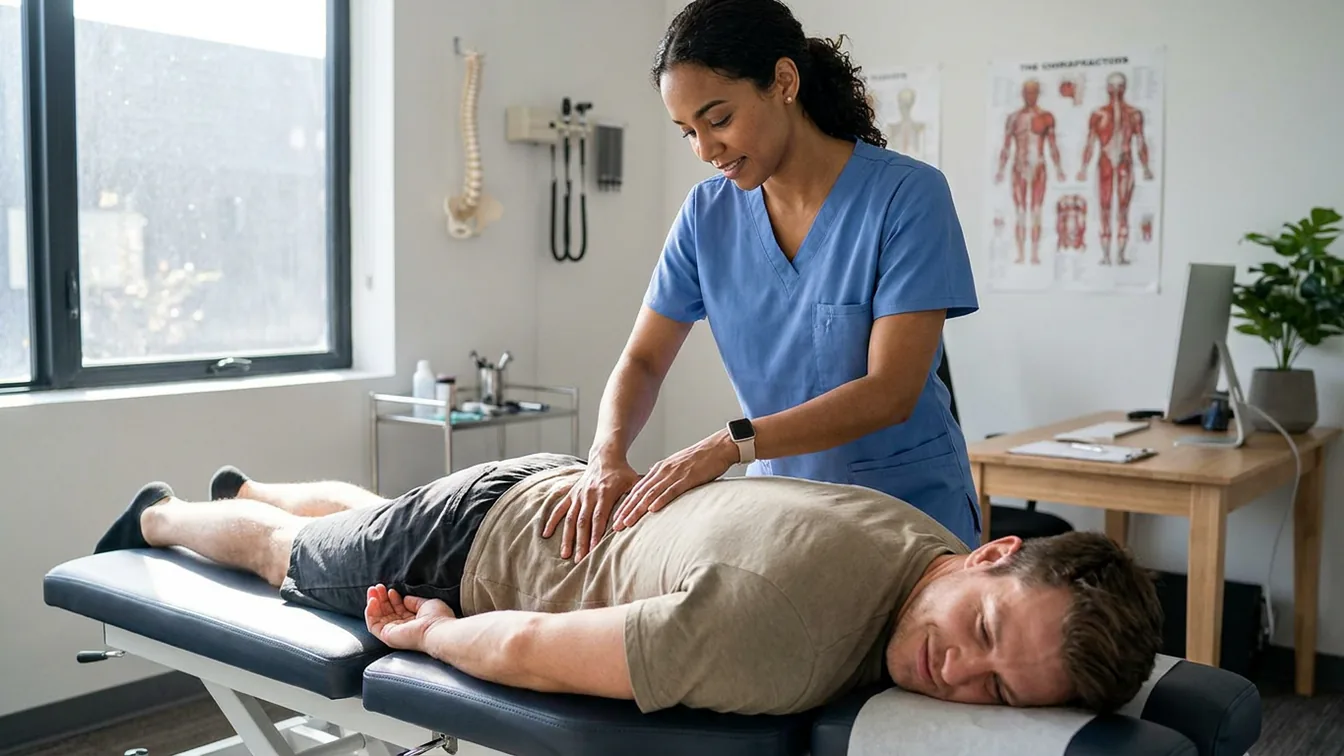
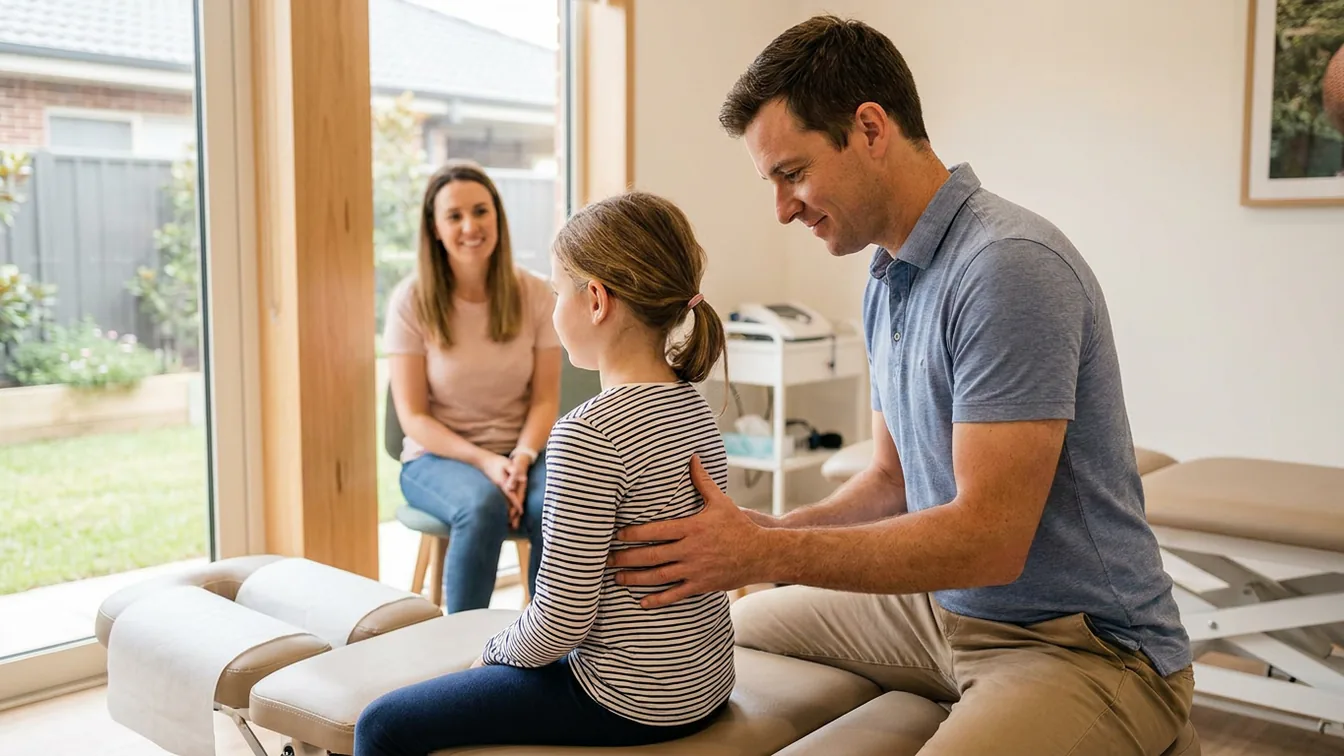
Chiropractors trained in pediatric care use gentle, age-appropriate techniques specifically designed for children's developing spines and nervous systems. These techniques differ significantly from adult chiropractic treatments, employing lighter pressure and modified approaches that respect the unique characteristics of pediatric anatomy. The goal is to restore proper spinal function, reduce nerve interference, and support the body's natural healing mechanisms.
Spinal adjustments for children with neuropathy focus on improving nerve communication between the brain, spinal cord, and peripheral nervous system. By addressing subluxations or joint dysfunction, chiropractic care may help reduce inflammation around nerve pathways, improve circulation to affected areas, and enhance the body's ability to repair damaged nerve tissue. This approach complements the nervous system's natural regenerative capabilities, particularly important in children whose systems are still developing.
Beyond spinal adjustments, pediatric chiropractors often incorporate complementary therapies that support nerve health. Soft tissue techniques can improve circulation and reduce muscle tension that may compress peripheral nerves. Therapeutic exercises designed for children help strengthen supporting muscles, improve coordination, and maintain joint mobility. Nutritional counseling may address deficiencies that could contribute to nerve dysfunction, while lifestyle recommendations support overall nervous system health.
The holistic nature of chiropractic care means treatment plans consider the whole child, not just the symptoms. This comprehensive approach recognizes that factors like posture, activity levels, nutrition, and even emotional stress can influence nerve function. By addressing these interconnected elements, pediatric chiropractic care aims to create an environment that supports optimal nervous system function and natural healing.
Evidence-Based Approaches and Treatment Outcomes
Research into pediatric chiropractic care for neuropathy continues to evolve, with growing evidence supporting its role in comprehensive treatment approaches. While large-scale studies specifically focusing on pediatric neuropathy remain limited, research on chiropractic care's effects on nervous system function provides valuable insights into potential mechanisms and outcomes.
Studies examining chiropractic care's impact on nerve conduction and pain perception suggest that spinal manipulation can influence nerve function through multiple pathways. These include reducing mechanical pressure on nerve roots, improving local blood flow, and modulating pain processing in the central nervous system. For children with neuropathy, these mechanisms may translate into reduced symptom severity and improved functional outcomes.
Case studies and clinical observations from practitioners working with children experiencing neuropathic symptoms report encouraging results. Many families in Canton and throughout Ohio have observed improvements in their children's comfort levels, sleep quality, and ability to participate in daily activities following chiropractic treatment. While individual responses vary, the gentle nature of pediatric chiropractic care makes it an attractive option for parents seeking conservative treatment approaches.
The collaborative approach between chiropractors and other healthcare providers enhances treatment outcomes for children with neuropathy. Pediatric chiropractors often work closely with neurologists, pediatricians, and other specialists to ensure comprehensive care that addresses all aspects of a child's condition. This interdisciplinary approach maximizes the benefits of each treatment modality while ensuring patient safety and optimal outcomes.
Monitoring and assessment play crucial roles in determining treatment effectiveness. Pediatric chiropractors use various evaluation methods, including functional assessments, symptom tracking, and objective measures of improvement. Parents receive guidance on monitoring their child's progress at home, helping the healthcare team adjust treatment plans as needed to optimize results.
Practical Considerations for Families
Families considering pediatric chiropractic care for neuropathy should understand what to expect throughout the treatment process. Initial consultations typically involve comprehensive health histories, physical examinations, and discussions about symptoms and treatment goals. Pediatric chiropractors take special care to create comfortable, child-friendly environments that help young patients feel at ease during evaluations and treatments.
Treatment frequency and duration vary based on individual circumstances, including the underlying cause of neuropathy, symptom severity, and the child's response to care. Some children may experience improvements within a few weeks, while others require longer treatment periods to achieve optimal results. Pediatric chiropractors work closely with families to establish realistic expectations and develop treatment plans that fit within busy family schedules.
Home care recommendations often complement in-office treatments, empowering families to support their child's healing between appointments. These may include specific exercises, posture modifications, nutritional suggestions, or lifestyle adjustments that promote nerve health. Education about ergonomics, particularly for school-aged children who spend significant time sitting, can help prevent additional stress on the nervous system.
Communication between the chiropractic team and the child's primary healthcare providers ensures coordinated care and optimal outcomes. Parents should maintain open dialogue with all members of their child's healthcare team, sharing information about treatments, progress, and any concerns that arise. This collaborative approach maximizes the benefits of each intervention while maintaining the highest standards of patient safety.
Cost considerations and insurance coverage vary depending on individual policies and treatment needs. Many families find that the potential long-term benefits of addressing neuropathy early justify the investment in conservative care. Some insurance plans cover pediatric chiropractic services, particularly when provided as part of a comprehensive treatment approach for diagnosed conditions.
Moving Forward with Confidence
For Canton residents seeking natural, gentle approaches to managing pediatric neuropathy, chiropractic care offers a promising option worth exploring. The combination of evidence-based techniques, individualized treatment plans, and focus on supporting the body's natural healing capabilities makes pediatric chiropractic an attractive complement to traditional medical care.
Understanding that each child's situation is unique emphasizes the importance of working with healthcare providers who specialize in pediatric conditions. Qualified pediatric chiropractors possess the specialized training and experience necessary to safely and effectively treat children with neuropathy while addressing the concerns and questions that naturally arise for families navigating these challenges.
The journey toward improved nerve health often requires patience and commitment from both families and healthcare providers. However, the potential for enhanced quality of life, reduced symptoms, and improved function makes this investment worthwhile for many children experiencing neuropathic conditions.
If your child is experiencing symptoms that may be related to neuropathy, consider consulting with healthcare providers who can evaluate their specific needs and recommend appropriate treatment options. Premier Joint & Spine, located at 4001 Whipple Ave NW Suite LL02, Canton, OH 44718, offers specialized pediatric chiropractic services designed to support children's health and well-being. Taking the first step toward understanding your child's condition and exploring treatment options can open doors to improved comfort, function, and overall quality of life for your family.